
English
עברית
العربية
Register Now! Please, fill in your personal details and we will contact you shortly
Herbal Medicine, Homeopathy and Aromatherapy

81 Hours – 9 Days
Teaching language: Arabic / Hebrew / English - according to the student’s choice.

Delivery: Face to Face / Online / Hybrid
Audience
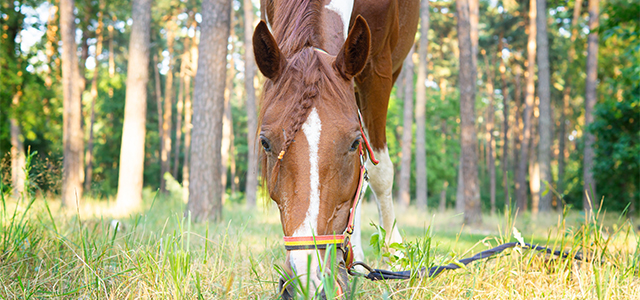
This study program is intended for all horse and animal lovers, for riders, for horse owners, for veterinarians, for stable workers, and for those working in all equine therapeutic fields. With the aim of treating and caring for your horse, or the horses under your responsibility, and also to acquire new effective therapeutic tools, develop your profession, stand out from other practitioners and acquire professions that are in great demand in the labor market, with international certificates from the leading institutions in the field and for the first time in the country.
About the program
This training is based on the science of Zoopharmacognosy (self-selection). Students completing this training can use herbal medicine with their own horses or those in their care, such as racing trainers and horse owners. This training helps animals to heal themselves physically and emotionally using herbal (botanical) compounds – essential oils, floral waters, herbs, minerals and more.
Animals have been doing “Zoopharmacognosy” for centuries, but humans removed this ability for horses when we domesticated them and placed them in paddocks and stables. Through this training, you can bring the outside world to the horse and allow it to make choices for its own self-healing and self-medication. We have worked with many horses with the following problems, all with great success: gastric, ulcers, mud fever, arthritis, injuries, muscular, laminitis, hormonal imbalances, bladder, liver, kidney and first aid. We also have success of working with stable vices, confidence issues, separation anxiety and much more.
Zoopharmacognosy refers to the innate ability with which animals have self-medicated in the wild in order to ensure survival throughout their evolution. The word Zoopharmacognosy was coined by Prof Eloy Rodriguez from Cornell University, NY, USA and key researchers in the field includes Prof Michael Hoffman from Kyoto University, Japan and Prof Villalba at the Department of Wildland Resources, Utah State University, Logan, Utah, USA.
Applied Zoopharmacognosy has developed as an approach designed to replicate a similar opportunity for domesticated animals within our care. In essence, it is an observational science enabling the student/practitioner to tap into the horse's innate ability to identify and self-select plant extracts in order to restore and maintain health. Students and practitioners do not diagnose or administer but offer according to presenting symptoms and/or veterinary diagnosis.
For example, when working with a horse with a tendon injury, a student offers herbal extracts, which are known anti-inflammatories, analgesics, cellular rejuvenators along with extracts often selected for physical trauma. Careful observations of responses and selections are recorded and the subsequent choice of herbal extracts offered are made in response to these observations. The student then continues to offer in subsequent sessions, varying extracts as the horse’s condition/symptoms change, until extracts are no longer selected. This period can be anything from hourly as in the case of acute conditions such as choke/colic or daily in the case of chronic conditions such as COPD/RAO. As well as physical conditions, behavioral issues such as aggression, anxiety and phobias are also addressed using this methodology.
This blended learning program offers students the opportunity to gain theoretical knowledge and practical skills to use the Applied Zoopharmacognosy (AZ) approach with horses under their care. This includes the four methods of equine self-administration, sequential and simultaneous selection. Students will learn about the contraindications, health and safety issues (for horse and student alike) and ethical issues of this methodology.
They will become familiar with the Zoopharmacognosist’s Kit, which is an extensive collection of herbal extracts including essential oils, floral waters, CO2 extracts, powders, minerals and dried herbs and flowers. Each category of extract has different methods of offering to equines and students will practice these.
Following on from the foundational work, the program will explore in more depth areas such as barriers to success and how AZ can be combined with other modalities such as energy work, chiropractic, physiotherapy and so on, as part of an integrated healthcare approach. Students will also learn how to use AZ in emergency situations such as choke, castings and colic.
On completion of this program, students will be able to confidently
‘Offer’ extracts according to presenting symptoms as per veterinary diagnosis in order to support horses in their care to maintain and restore health.
Learning Outcomes
On completion of this program the students will be able to:
• Describe the scientific foundations of Zoopharmacognosy and be aware of current research with both wild and domestic animals.
• Create the optimal environment for a horse to be able to self-medicate.
• Evaluate the horses presenting symptoms in order to make an educated decision on the starting point for offering.
• Understand the constituents of ‘The Kit’ including their medicinal properties and the most effective method of offering each extract according to horses - inhalation, ingestion, topical application or olfaction.
• Practically demonstrate their ability to choose and offer plant extracts to horses effectively, observe and record the reactions of the horse to their selection and adapt the session (and follow up sessions) with that horse accordingly.
• Respond effectively in an emergency or first aid situation with a horse.
Homeopathy course will cover the fundamental principles of homeopathy and treatment for their horse in a first aid and acute situation. Each student will learn how homeopathic remedies are made and the implications of each potency. The student will learn the history and background of Homeopathic medicine covering classical and practical application. The nature of health and disease. The difference between acute and chronic disease state. How the vital force of each individual effects our immunity and presentation of symptoms. We will cover the essence and keynotes of polycrest remedies looking in detail at the differences between them.
Each student will develop a good understanding of the 50-remedy homeopathy first aid and acute kit and become confident with how and when to prescribe a well indicated remedy for their own horse. At the end of the course, we will enjoy looking at equine cases and consider which is the most appropriate remedy, dose and potency by end of the course the student shall be confident with how when to prescribe for their own horse.
Aromatherapy is the practice of using essential oils for therapeutic benefit. Aromatherapy has been used for centuries. When inhaled, the scent molecules in essential oils travel from the olfactory nerves directly to the brain and especially impact the amygdala, the emotional center of the brain.
Essential oils are basically plant extracts. They're made by steaming or pressing various parts of a plant (flowers, bark, leaves or fruit) to capture the compounds that produce fragrance. It can take several pounds of a plant to produce a single bottle of essential oil.
In addition to creating scent, essential oils perform other functions in plants, too. In the wild a horse would seek out the appropriate plants, soils, herbs, barks, resins and clays to prevent or reduce the harmful effects of pathogens and toxins and keep them bodies and well-being in balance.
Essential Oils are pure natural herbal remedies, and the horse can instinctively recognize the medicinal properties of the essential oils they are being offered and select the ones appropriate to their needs, whether that be a physical, psychological or emotional need.
This programme is designed to give students a strong understanding of the uses and actions of a wide variety of essential oils and a strong foundation in aromatherapy and the use of essential oils that can be applied in a range of different ways. The scientific evidence base will be explored both in terms of how essential effect the body and what action individual essential oils have.
Each student receives the “Anatomy, Physiology and Pathology”, for free!
Combined Program: 3 Professions in 1 course!
Work fields
 Certificates
Certification by the American University in the Emirates, Ryada Training Center, CIM at the French Hospital, Dubai Racing Club, Dubai Equestrian Club and the International Association for Complementary Medicine (CMA) located in London - UK, making it easier for graduates to work all over the world.
Syllabus
Syllabus
Syllabus |
|
Lecture 1 | How animals heal themselves Zoopharmacognosy Human self-selection Conditions when horses might self-select. The difference between self-selection and supplementing the horse’s diet |
Lecture 2 | Working within the Law Introduction to Aromatherapy, how to use with equines, what the different scents can help with. history of aromatherapy and how does it work. Therapeutic herbal actions – adaptogens to vulneraries Chemistry of essential oils – monoterpenes etc. Starter kits and Materia medica for all compounds. Essential Oils Storage, safety etc. |
Lecture 3 | Recognizing positive and negative signs of selection. Routes of self-administration: Olfaction, inhalation, ingestion and topical application, sequential and simultaneous offering. Creating the Space, understanding and identifying. Aromatic waters. Herbs and minerals. |
Lecture 4 | Demonstration and opportunity to practice on horses. Massage techniques to use with aromatherapy oils. Massaging with oils. |
Lecture 5 | Releases and Processing, introducing working with Trauma. The science of opening the door for engagement. Considerations for offering, difficult cases. Working with triggers. Working with trauma. Emergencies and First Aid – Colic, Choke, Cast, Stress, Wounds. |
Lecture 6 | The Zoopharmacognosist’s herbal kit, impact on horse’s nervous system and physiology: Working with Essential oils, floral waters, CO’2, herbs and minerals |
Lecture 7 | Contraindications, Awareness of Controlled/Banned substances under FEI regulations. Health & Safety issues. Obstacles to Success. Energy networks – Human/Horse Energy Network. Mind/body connections. |
Lecture 8 | Essential oils commonly selected by horses and materia medica. Macerated oils Plant remedies versus food The session – reactions, do’s and don’ts Horse owner consultation record Goals Filmed session. De brief |
Lecture 9 | Prepare for practical’s – discuss “Initial Core Remedies Guide for Equine Wellness” and Data Sheets. Show more films of equine self-selection. Take case history of horses and demonstration of self-selection. Students take case history of horses and practice self-selection |
Lecture 10 | The five-element theory of equine welfare. The five elements questionnaire. Natural health for horses - medical gardens. Natural health for horses - plants and potions. |
Lecture 11 | What is Homeopathy? The History of Homeopathy history of Hahnemann classical and practical homeopathy. What is Health? What is disease state? Vital Force, the body's natural ability to heal. Basic Principles of Homeopathic Practice. Law of Similar. Law of Cure. How remedies are made. Potency and the differences between them. |
Lecture 12 | Homeopathy: Chronic. Acute and First Aid Situations. A thorough understanding of the differences between chronic. acute and first aid scenarios when treating your horse. When to prescribe and when to call the vet. What to look for when treating your horse. Remedy keynotes. Differential diagnosis between close remedies. Dose and frequency When to repeat. when to change remedies. Understanding the importance of the natural hierarchy mental, emotional, and physical symptoms. |
Lecture 13 | Homeopathy: Materia Medica - to include the remedy pictures. essence, and keynotes of the major Poly crest remedies often seen in equine acute and first aid situations. Common first aid and acute scenarios when working with horses. How to differentiate between common symptoms in first aid situation and acute illness and compare them to each individual symptom picture of the horse Looking at general symptoms, keynotes, the strange. rare, and peculiar indicators, and consider the mental. emotional and physical signs displayed by each horse. |
Lecture 14 | Homeopathy: How to take the equine case. Considering the normal behavior of the horse verses the change. Vital signs. The owner or trainer knows their horse best. Use your senses. Take note of them. Subtle changes. How to give your horse a homeopathic remedy. Practical case taking. Putting into practice all we have learned. Ethics and relevant law as per each country. Further study and recommended reading. |
Lecture 15 | Chemical compounds found in essential oils: their effects, indication and contraindication. A Chinese Medicine Approach. Key concepts in TCM: ** Qi ** Yin and Yang ** The Vital Substances ** The spirits ** The organs ** Causes of Disease ** Patterns of Disease ** Basics of diagnostic techniques. ** Fragrance Energetics. |
Lecture 16 + 17 | A Review of approx. 50 commonly used essential oils. A review of carrier oils and other base products. The treatment of common diseases with the help of treatment with aromatherapy, homeopathy and medicinal herbs. |
Lecture 18 | Blending essential oils. Making aromatherapy products. considerations and safety. Follow-up: The treatment of common diseases with the help of treatment with aromatherapy, homeopathy and medicinal herbs. |
CMA
The Complementary Medical Association, The world’s biggest & leading association of research, academic training&recognition of colleges & therapists worldwide in the fields of complementary & integrative medicine.
Mission & Objectives
The Complementary Medical Association's (The CMA) primary aim is to promote ethical, responsible, professional complementary medicine to the public and the medical profession.
We believe that by promoting The CMA and its Registered Members & Colleges in all categories, though the media and online in a hugely high-profile manner, we are able to help the public and doctors to realize that complementary and integrative medicine is - when delivered safely and ethically - a viable and highly desirable form of healthcare. In addition, here at the CMA, we are totally dedicated to representing "the professional face of complementary medicine" and by promoting research, education and knowledge in the field, we will help to stimulate demand for the medicine of the 21st century and beyond.
The CMA is great news for professional practitioners, ethical colleges and patients who demand and expect excellence in every aspect of treatment.
What is the CMA?
The CMA is a not-for-profit organization which means that any funds we raise, through membership fees, book, training and product sales or donations are invested straight back into the organization.
A great part of our work consists of referring public and conventional medics alike to CMA registered practitioners so that they can be assured that treatment will be delivered
by a highly qualified, insured practitioner who adheres to a strict Code of Ethics and disciplinary procedure. We call this the "CMA Referrals Scheme".
In addition, we are able to help members of the public who wish to train in the complementary medical field to access our Registered Training Schools and Colleges. We provide assistance to Schools who wish to have their courses Registered and Accredited by the CMA.
We work closely with the conventional medical profession as we ultimately believe that the most important person after all, is the patient, and we believe that by presenting the patient with good, accurate information about complementary medical approaches they can make responsible informed decisions about their own health care. It is important to remember that both complementary and conventional medicine have a great deal to offer - when used appropriately, justifiably and responsibly. Ultimately, the freedom to choose one's own health care is a vital human right which should be protected.
Our History
The CMA was established in early 1993, by Jayney Goddard, in response to the overriding lack of public and medical knowledge about the complementary medical profession. During the initial two years we devoted our time to performing the market research that would indicate whether there could be a viable way of raising the profile of ethical, responsible complementary medicine. It was vital to establish and justify whether "yet another organization" needed to exist in the already saturated complementary medical organization field.
We spent a long time analyzing the entire arena and found that nothing was being done at that time by any membership body or organization to promote practitioners
or training schools in a high profile, professional manner.
Furthermore, at that time, complementary medicine had a very unprofessional profile; somewhat akin to a cottage industry. This was a sorry state of affairs and it became rapidly apparent that The CMA needed to exist if professional complementary medicine were to stand a chance.
Here at The CMA we are a dedicated team of committed professionals (we're all qualified healthcare practitioners) and we are absolutely serious about achieving our mission. We have always had a commitment to making sure that our Members can contact us easily and will always be able to get through to a real person at the end of the phone line. In addition, our e-communications are exceptionally effective and we are able to disseminate important information to our Members extremely rapidly and efficiently.
Where are we now?
The CMA opened its doors to members at the beginning of 1995 and to date, The CMA represents the interests of thousands of practitioners in various categories - including students and 180+ Training Schools/Colleges with additional organizations approaching us regularly. We also have another membership section, "Friends of the CMA" which comprises a variety of supporters, all of whom are keen to support the work of the CMA.
The CMA has a high media profile and we constantly work with major media organizations.
We are committed to cultivating a high media profile, through which we achieve in excess of ten individual media exposures per week including TV, radio, magazines, newspapers and the Internet. Our estimated monthly reach is circa 650,000 individuals.
We are committed to thinking creatively when it comes to promoting our members and we are dedicated to working creatively when promoting our Member's interests - just one example of this is that The CMA has - over the years - even undertaken extremely high-profile promotional campaigns utilizing advertising space on London Underground trains and Docklands Light Railway.
What We Do
q Continuing Professional Development (CPD) Hugely important for us all in this profession. We offer practitioners lots of opportunities to keep their professional skills up-to-date with courses, seminars, ongoing tutorials and more by the leading lectures of UK & Europe.
q Membership ID Card, Certificate
It is vital that practitioners display their CMA certificate within their office or practice rooms to confirm their
Membership of this esteemed organization. We also
12
provide them with an ID card, which many of our Members find useful when on external site visits.
q LondonBoroughsSpecialTreatmentExemptedStatus Certain categories of practitioner are subject to requiring a “Special Treatment License” if they work in London and other cities. These licenses cost up to £1000+ and practicing without one leaves the practitioner open to a fine of up to £5000+. By registering with the CMA, after we approve their professional level and training, they are covered under our umbrella exemption – saving you thousands – and protecting them and their practice.
q CMA weekly e-Newsletter
This fantastically informative email brings practitioners the very latest news and research from around the world on all aspects of complementary medicine, natural health and wellness – and relevant conventional medical findings too.
q CMA Training / Courses
The CMA is dedicated to keeping our Members at the top of their profession, to this end we consistently offer ongoing training – with a particular emphasis on practice and training school development. CMA Members benefit from hugely discounted rates for these courses, compared to non- Members. CMA is an academic supporter of complementary medicine colleges, which meet the high criteria of the CMA, and after examining in-depth the curricula and study conditions that the college grants to students, the CMA grants a certificate of recognition to the college.
q Liaison at governmental level representing All CMA Members
The CMA is a Member of the All-Party Parliamentary Group for Complementary and Integrative Medicine in UK. This means that we are representing practitioners’ interests at Governmental level – and can shape policy within this field to support our Members. CMA Members are allowed to attend these meetings at the House of Commons by arrangement.
q Webinars, Seminars, CPD workshops and further qualifications
The CMA liaises with various respected organization who are offering further training to our Members. If we believe that these trainings are of value, we negotiate special rates for our Members as part of our Membership Benefits package.
In addition to each certificate that the graduates receive from AUEDI, each graduate also receives an international certificate from CMA.
Mission & Objectives
The Complementary Medical Association's (The CMA) primary aim is to promote ethical, responsible, professional complementary medicine to the public and the medical profession.
We believe that by promoting The CMA and its Registered Members & Colleges in all categories, though the media and online in a hugely high-profile manner, we are able to help the public and doctors to realize that complementary and integrative medicine is - when delivered safely and ethically - a viable and highly desirable form of healthcare. In addition, here at the CMA, we are totally dedicated to representing "the professional face of complementary medicine" and by promoting research, education and knowledge in the field, we will help to stimulate demand for the medicine of the 21st century and beyond.
The CMA is great news for professional practitioners, ethical colleges and patients who demand and expect excellence in every aspect of treatment.
What is the CMA?
The CMA is a not-for-profit organization which means that any funds we raise, through membership fees, book, training and product sales or donations are invested straight back into the organization.
A great part of our work consists of referring public and conventional medics alike to CMA registered practitioners so that they can be assured that treatment will be delivered
by a highly qualified, insured practitioner who adheres to a strict Code of Ethics and disciplinary procedure. We call this the "CMA Referrals Scheme".
In addition, we are able to help members of the public who wish to train in the complementary medical field to access our Registered Training Schools and Colleges. We provide assistance to Schools who wish to have their courses Registered and Accredited by the CMA.
We work closely with the conventional medical profession as we ultimately believe that the most important person after all, is the patient, and we believe that by presenting the patient with good, accurate information about complementary medical approaches they can make responsible informed decisions about their own health care. It is important to remember that both complementary and conventional medicine have a great deal to offer - when used appropriately, justifiably and responsibly. Ultimately, the freedom to choose one's own health care is a vital human right which should be protected.
Our History
The CMA was established in early 1993, by Jayney Goddard, in response to the overriding lack of public and medical knowledge about the complementary medical profession. During the initial two years we devoted our time to performing the market research that would indicate whether there could be a viable way of raising the profile of ethical, responsible complementary medicine. It was vital to establish and justify whether "yet another organization" needed to exist in the already saturated complementary medical organization field.
We spent a long time analyzing the entire arena and found that nothing was being done at that time by any membership body or organization to promote practitioners
or training schools in a high profile, professional manner.
Furthermore, at that time, complementary medicine had a very unprofessional profile; somewhat akin to a cottage industry. This was a sorry state of affairs and it became rapidly apparent that The CMA needed to exist if professional complementary medicine were to stand a chance.
Here at The CMA we are a dedicated team of committed professionals (we're all qualified healthcare practitioners) and we are absolutely serious about achieving our mission. We have always had a commitment to making sure that our Members can contact us easily and will always be able to get through to a real person at the end of the phone line. In addition, our e-communications are exceptionally effective and we are able to disseminate important information to our Members extremely rapidly and efficiently.
Where are we now?
The CMA opened its doors to members at the beginning of 1995 and to date, The CMA represents the interests of thousands of practitioners in various categories - including students and 180+ Training Schools/Colleges with additional organizations approaching us regularly. We also have another membership section, "Friends of the CMA" which comprises a variety of supporters, all of whom are keen to support the work of the CMA.
The CMA has a high media profile and we constantly work with major media organizations.
We are committed to cultivating a high media profile, through which we achieve in excess of ten individual media exposures per week including TV, radio, magazines, newspapers and the Internet. Our estimated monthly reach is circa 650,000 individuals.
We are committed to thinking creatively when it comes to promoting our members and we are dedicated to working creatively when promoting our Member's interests - just one example of this is that The CMA has - over the years - even undertaken extremely high-profile promotional campaigns utilizing advertising space on London Underground trains and Docklands Light Railway.
What We Do
q Continuing Professional Development (CPD) Hugely important for us all in this profession. We offer practitioners lots of opportunities to keep their professional skills up-to-date with courses, seminars, ongoing tutorials and more by the leading lectures of UK & Europe.
q Membership ID Card, Certificate
It is vital that practitioners display their CMA certificate within their office or practice rooms to confirm their
Membership of this esteemed organization. We also
12
provide them with an ID card, which many of our Members find useful when on external site visits.
q LondonBoroughsSpecialTreatmentExemptedStatus Certain categories of practitioner are subject to requiring a “Special Treatment License” if they work in London and other cities. These licenses cost up to £1000+ and practicing without one leaves the practitioner open to a fine of up to £5000+. By registering with the CMA, after we approve their professional level and training, they are covered under our umbrella exemption – saving you thousands – and protecting them and their practice.
q CMA weekly e-Newsletter
This fantastically informative email brings practitioners the very latest news and research from around the world on all aspects of complementary medicine, natural health and wellness – and relevant conventional medical findings too.
q CMA Training / Courses
The CMA is dedicated to keeping our Members at the top of their profession, to this end we consistently offer ongoing training – with a particular emphasis on practice and training school development. CMA Members benefit from hugely discounted rates for these courses, compared to non- Members. CMA is an academic supporter of complementary medicine colleges, which meet the high criteria of the CMA, and after examining in-depth the curricula and study conditions that the college grants to students, the CMA grants a certificate of recognition to the college.
q Liaison at governmental level representing All CMA Members
The CMA is a Member of the All-Party Parliamentary Group for Complementary and Integrative Medicine in UK. This means that we are representing practitioners’ interests at Governmental level – and can shape policy within this field to support our Members. CMA Members are allowed to attend these meetings at the House of Commons by arrangement.
q Webinars, Seminars, CPD workshops and further qualifications
The CMA liaises with various respected organization who are offering further training to our Members. If we believe that these trainings are of value, we negotiate special rates for our Members as part of our Membership Benefits package.
In addition to each certificate that the graduates receive from AUEDI, each graduate also receives an international certificate from CMA.
Catalogue
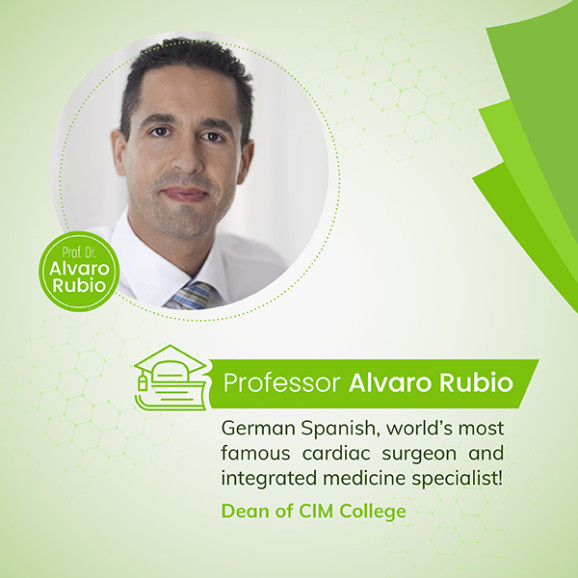
Dean of the College
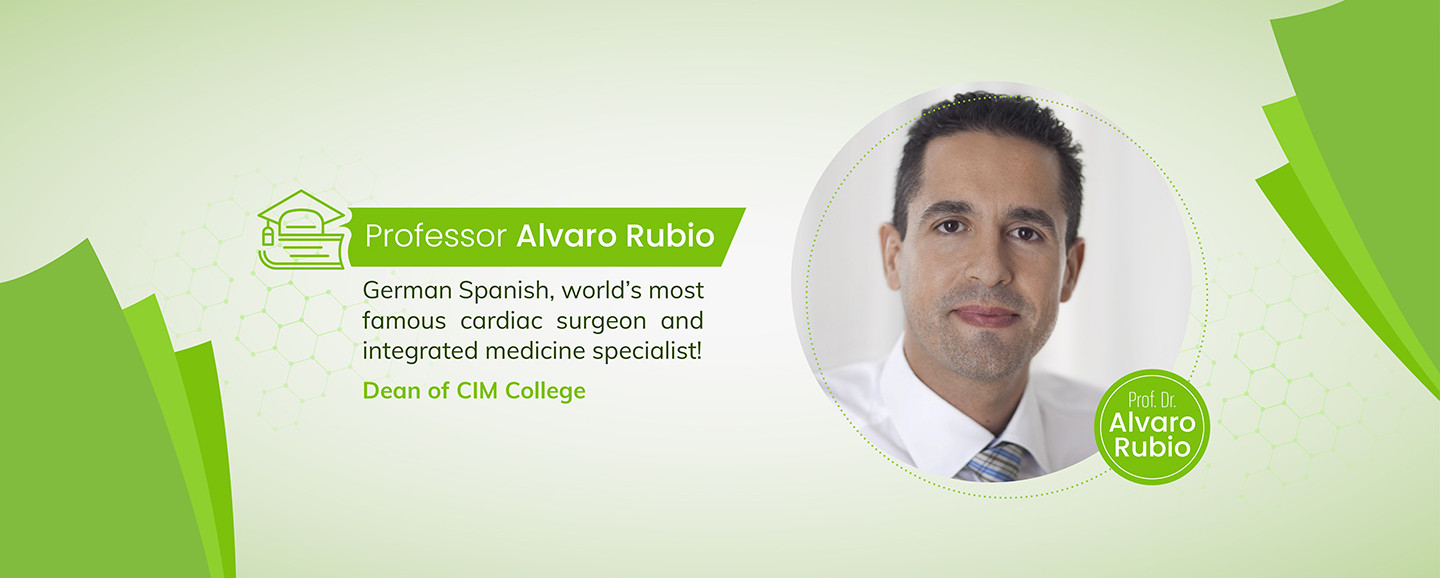
Dr. med. Ldo. med. Álvaro Rubio
Citizenship:
Spaniard and German
FIELD OF ACTIVITY
Adult Cardiac Surgery - Cardiac Surgery Consultant
Vascular Surgery - Vascular Surgery Consultant
Pediatric Cardiac Surgery
Intensive Care Medicine
QUALIFICATION
Universitas Extrematurensis, Spain
Justus Liebig University, Germany
Cardiac Surgery Consultant - Bavarian State Chamber of Physicians, Munich/Germany
Vascular Surgery Consultant - Baden-Württemberg State Chamber of Physicians, Freiburg/Germany
Vascular Surgery Consultant - Baden-Württemberg State Chamber of Physicians, Freiburg/Germany
Intensive Care Medicine Consultant - Baden-Württemberg State Chamber of Physicians, Freiburg/Germany
ADDITIONAL QUALIFICATION
Specialist in Radiation Protection
Certificate Clinical Homeopathy
Certificate Clinical Homeopathy
MEMBERSHIP - SCIENTIFIC AND PROFESSIONAL SOCIETIES
CSN - Cardiothoracic Surgery Network
BDC - German Professional Association of Surgeons
DGTHG - German Society for Thoracic, Cardiac and Vascular Surgery
Association of Cardiac Surgeons
DGTHG - German Society for Thoracic, Cardiac and Vascular Surgery
Association of Cardiac Surgeons
European Society of Cardiology
INVESTIGATION AWARD
The Pierre Grondin Award 2007
Jayney Goddard - CMA President
Jayney Goddard, MSc, FCMA, FBSLM, Lic.LCCH, Dip.ACH, FRSPH
President - The Complementary Medical Association, London, UK
Jayney Goddard is President of The Complementary Medical Association (The CMA) which is the world's largest professional membership body for complementary medicine (CM), and she is widely regarded as one of the leading experts on complementary medicine and natural healthcare. Jayney has a vast depth of knowledge across the entire field of complementary medicine and can always be relied upon to provide substantiated research data during any interview, lecture or written work.
Jayney is a Fellow of the Royal Society of Medicine and a Fellow of the Royal Society for Public Health. She has a Master of Science post-graduate degree from the University of Central Lancashire and began her doctorate in January.
She was recently awarded the Complementary and Natural Healthcare Expo Award for Outstanding Contribution to Complementary Medicine - which was judged by a panel of respected complementary medical professionals and a group of high-profile captains of industry coming from backgrounds as diverse as banking, insurance and entertainment.
She has a busy practice (UK, USA and Skype) where she works uses a range of complementary medical approaches with her patients, including homeopathy, psychotherapy, nutrition, herbal medicine, Mind/Body medicine and hypno-analysis. Jayney's special clinical interests include auto-immune disease and natural anti-ageing/rejuvenation strategies.
Jayney is editor of "With Our Complements", the Journal of The Complementary Medical Association and she is a high-profile contributor to print and broadcast media.
Jayney is the complementary medical expert for various newspapers and magazines and is a regular guest on television and radio when expert opinion is required on any aspect of complementary medicine and natural health care. Adept at phone-in “open clinic” type broadcasts, Jayney is always a popular guest. She was the Discovery Channel's complementary medicine expert and provided all complementary medical content for the Granada/Boots PLC joint venture "The Wellbeing Channel". A prolific writer, her most recently published books include the international number one bestseller "Rewind Your Body Clock - The Complete Natural Guide to a Happier, Healthier, Younger You (Watkind UK / Penguin USA and Rest of world / Audiobook by WF Howes, narrated by Jayney Goddard).
Jayney has also authored two books on pandemic 'flu: the critically acclaimed "The Survivor's Guide to Swine Flu: The Complementary Medical Approach", "The Survivor's Guide to Bird Flu: The Complementary Medical Approach" and also "Complementary and Alternative Medicine: The Scientific Verdict on What Really Works", edited by Jayney and published by Collins. Jayney also edits The CMA's highly informative weekly e-Newsletter. Jayney writes the monthly Natural Anti-ageing column for Natural Health magazine and is credited by them as "The UK's leading natural anti-ageing guru".
Jayney testified for the USA's "White House Commission on Alternative and Complementary Medicine" in order to help the USA rationalize complementary and alternative medicine and all her recommendations were accepted unanimously. In the UK, Jayney is The CMA representative for the Parliamentary Group for Complementary and Integrated Medicine and she is active globally, assisting governments worldwide to rationalise their approach to ethical, responsible complementary medicine.
Jayney lectures at various medical colleges and to faculty and students at Cambridge University in the UK and the University of Miami School of Medicine in the USA. Jayney has taught, as Visiting Professor, on the Masters course at The Graduate Institute in Connecticut, USA, where faculty colleagues include Dr Bernie Siegel, Professor Rupert Sheldrake and Dr Steve Horowitz.
Jayney's Personal Mission
- To raise the profile of Complementary Medicine and Integrative Healthcare so that the public and the conventional medical profession accept that these approaches are a viable health option when delivered by properly trained, professional practitioners and integrative medical doctors.
- To create an environment where practitioners of excellence are regarded as professionals - true experts in their field - and are accorded the respect that they so rightly deserve.
- To ensure that all those who wish to join the profession can gain access to bona fide CM (complementary medicine) colleges which offer truly excellent training.
- To ensure that the public understands what constitutes outstanding complementary medical health care and has ready access to practitioners of excellence.
Memberships:
Fellow; Royal Society of Medicine,
Fellow; Royal Society for Public Health,
Founder and Co-Chair; British Society of Lifestyle Medicine
Advisory Board Member; Health Food Manufacturers Association,
Advisory Board Member; "camexpo",
Advisory Board Member and Founding Contributor; Integrative Healthcare Symposium,
Equity
SHOP
At CIM college is the largest center in the country for natural products, equipment, and supplies for therapists and students in the complementary medicine, with uncompetitive prices, directly from the importer to customers, in order to make it easier for students to buy products with a fair price.
Treatment tables, books in natural medicine topics, acupuncture needles, Korean medicine supplies, Bach remedies, creams, essential oils, treatment chairs, Hopi candles, treatment clothes, therapeutic herbs, natural medicines, all kinds of air cups (cupping), Moxa, Chinese medicine supplements, raw materials for preparation of all products, natural cosmetics material and others.
Treatment tables, books in natural medicine topics, acupuncture needles, Korean medicine supplies, Bach remedies, creams, essential oils, treatment chairs, Hopi candles, treatment clothes, therapeutic herbs, natural medicines, all kinds of air cups (cupping), Moxa, Chinese medicine supplements, raw materials for preparation of all products, natural cosmetics material and others.
The college annually holds a competition in which who wins the competition’s prize gets a full preparation of a clinic worth tens thousands of shekels.
As well as many of our products in our center are from our personal import, such as treatment beds, cupping equipment and many other products.
Students reviews
About the College
CIM in the French Hospital, has been the largest and top college in Israel in the field of complementary natural medicine for the last 20 years.
CIM accomplished a great achievement in recent years by integrating complementary medicine with traditional Western medicine, and this is certainly thanks to the most famous specialists who work at CIM. CIM College has a university atmosphere and includes professional training, exclusively in medical centers and hospitals.
CIM has relations with the most famous universities and colleges of Natural Medicine from all over the world.
At CIM, you will find large classrooms equipped with the latest and newest teaching aids, an advanced computer lab, spacious gardens, resting rooms and an indoor cafeteria.
The most important thing at CIM is the family atmosphere and the personalized, individual attention given to students by all lecturers, especially to make learning more comfortable.
CIM relies on qualitative education programs and cares about selecting the best lecturers and giving individual attention to each student.
CIM College has 6 campus branches:
1. Nazareth branch in the French Hospital, which is the only college of naturopathic medicine in the country located within an official hospital and is one of the leading and most well-known hospitals in the country.
2. Jerusalem branch
3. Wadi A'ra branch
4. Branch of Dubai, under the direction of the German-Spanish Professor Alvaro Rubio, who is the most famous heart surgeon in the world and also specializes in natural medicine.
The branch in Dubai is considered the 1st college of complementary medicine among the Gulf countries. It includes additional and exclusive education, such as complementary medicine for equines, where programs are taught by the most famous lecturers from London, UK.
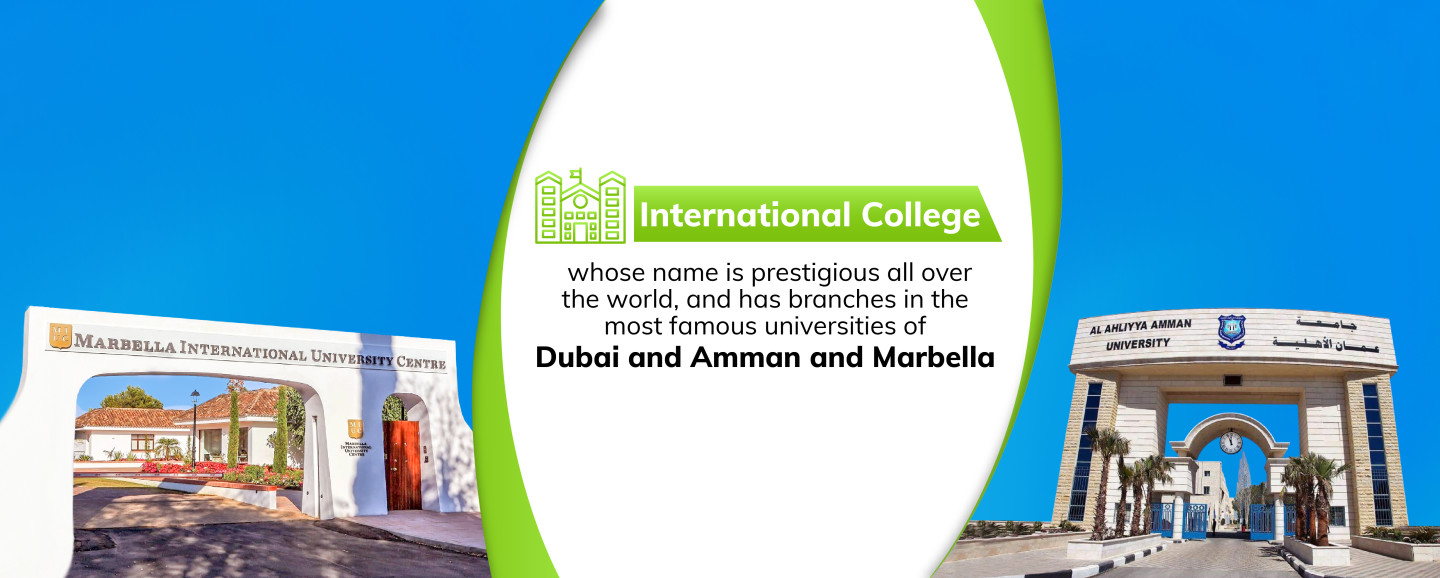
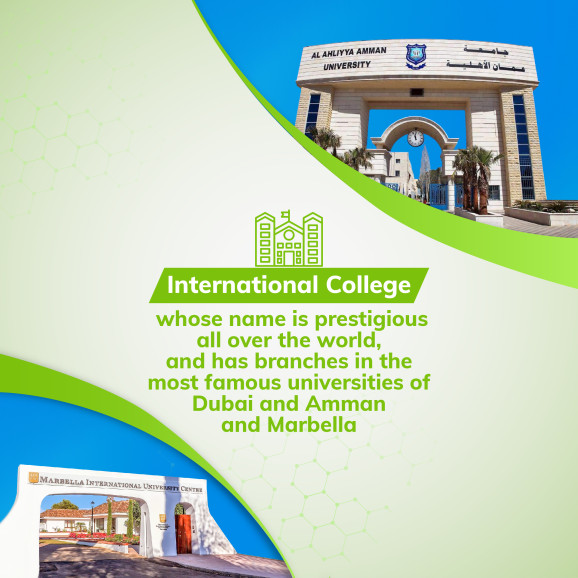
5. Branch of Al-Ahliyya Amman University in Jordan
One of the best universities in the world and the #1 Jordanian university according to The Times ranking in terms of the impact of universities, which is considered the 1st college of integrative medicine in the Arab world. It was established as a new college at the university under joint management by both parties.
6. Branch of Marbella International University Centre (MIUC)
Located in the heart of the Spanish port city of Marbella, is a global academic institution providing a new kind of learning experience based on an advanced curriculum, cutting-edge technology and a unique living environment.
which makes CIM an international college well-respected all over the world, and the leading college in the country for the last 20 years.
6. Branch of Marbella International University Centre (MIUC)
Located in the heart of the Spanish port city of Marbella, is a global academic institution providing a new kind of learning experience based on an advanced curriculum, cutting-edge technology and a unique living environment.
which makes CIM an international college well-respected all over the world, and the leading college in the country for the last 20 years.
CIM offers its students the possibility to train in many different medical centers and clinics across the country, like the French Hospital, Holy Family Hospital, etc. Hospitals, medical centers and health clinics across the country prefer CIM graduates. The college offers the largest and most extensive educational programs in the country and for the cheapest tuition fee. Because your education is one of the most important projects in your life, and your projects begin at CIM.
CIM has internal monitoring committees that maintain a high educational level that students enjoy. The college is accredited by all the complementary medicine associations in the country and by the European Natural Medicine Association as well. CIM offers scholarships to many deserving students and offers its graduates the possibility to complete their first academic degree (B.A.).
At the end of the first academic year, the student obtains 9 certificates in order to be qualified to start working directly from the first year.
In addition to other certificates during each academic year, every student gets his or her N.D. certificate at the end of their studies, which is considered the highest degree in the field of natural and integrative medicine worldwide. And exclusively for CIM college, each graduate receives a certificate from the Complementary Medical Association - CMA, which is located in London, UK.
The CMA is not only the world leader in academic research and training, but also gives accreditation to colleges and therapists worldwide, making it easier for graduates to work in this field all over the world.
Because your education is one of the most important projects of your life, and your projects begin at CIM.
Terms
Syllabus
Syllabus
CIM STUDIO
At CIM studio, we also broadcast a weekly program via YouTube to support the healthy lifestyle, which is very popular for all people, and which also deals with important and healthy topics and various traditional and natural ways of treatment with participation of the best-known therapists, specialists and doctors.
In addition, only our students can watch all the college lectures online on the college website, anytime and anywhere, free and exclusively.
The largest storage of online lectures in the field of traditional and natural medicine internationally. About 10,000 lectures are recorded by the most famous lecturers and with highest technology.
In addition, only our students can watch all the college lectures online on the college website, anytime and anywhere, free and exclusively.
The largest storage of online lectures in the field of traditional and natural medicine internationally. About 10,000 lectures are recorded by the most famous lecturers and with highest technology.
Contact us
News
Some of our success stories

Lubna Afifi - Nazareth
Nawaam Center

Clara Shakkour - Sakhnin
Clalit

Maria Basha Nseri - Nof Hagalil
Maccabi
Jafar Khilani - Nazareth
Organica

Ikhlas - Araba
Bisan Beauty Clinic

Hisham Samhat - Kfar Manda
Ma’agalim Company

Hadeel Khatib - Shfaram
Personal clinic
Hala Othman - Sakhnin
Personal Clinic

Ghoson Abu Salah - Maghar
Therapist at Clalit

Fardus Mahamid - Umm al-Fahm
Sports Center

Donia Shahwan - Iksal
Donia Health Clinic

Areej Kabha - Barta'a
Personal Clinic

Walaa’ Kadah - Kafr Manda
Clalit

Rawan Koskossi - Shfaram
Norsin Spa

Jumana Ozere - Eilaboun
Clalit
CIM The leading college
 in collaboration with
Nazareth
Saint Vincent Hospital
Jerusalem

UAE
Business Bay, Dubai
Wadi A`ra
Givat Haviva

Jordan
Al-Ahliyya Amman University
Spain
Marbella